Behind the ceremony and the symbolism, the most constant thread in three hundred years of Irish Freemasonry has been a plain one: care for people in need.
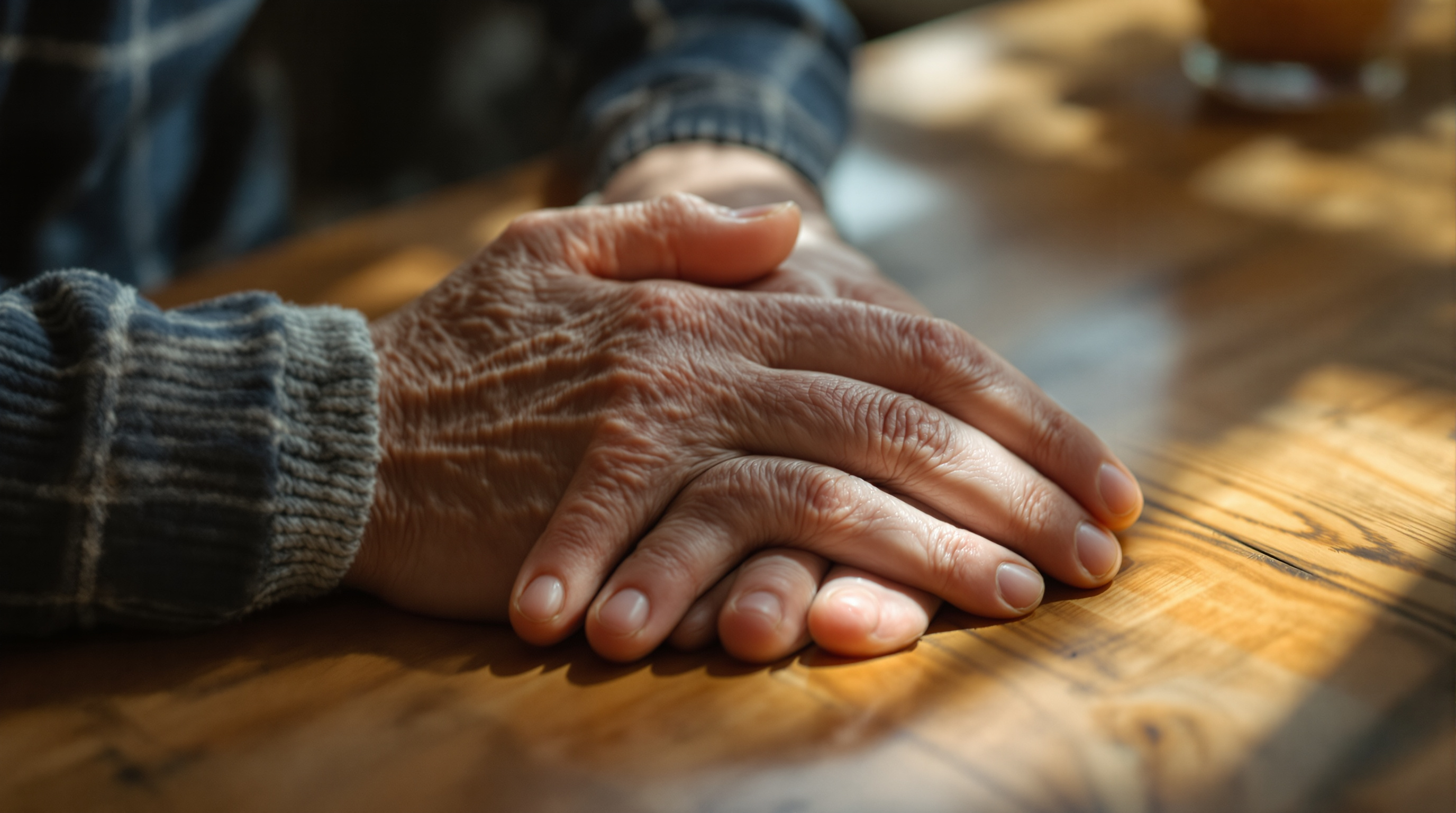
Care for young and old
Irish Freemasonry has, for three centuries, been a caring organisation concerned with the welfare of young and old alike. It is important to be clear about what this does not mean: Freemasonry is not a provident or benefit society, and membership confers no guarantee of financial advantage. Rather, in keeping with the basic principle of charity, such funds as are available are directed to where the need is greatest.
Where the funds come from
The money involved derives from three sources: the voluntary contributions of members, the proceeds of fundraising, and the prudently managed income of legacies and monies accumulated and invested over past years. None of it depends on public appeals or state support; it is, in the quiet Masonic manner, raised and given within and beyond the fraternity without fanfare.
Education, widows and the elderly
Historically the charitable effort has taken several recognisable forms:
- Education. Where funds permit and circumstances merit, the charities have helped meet the cost of educating the children of members who were deceased, incapacitated or unemployed — supporting, in some years, hundreds of young people.
- Support for widows. Annuities have long been paid to members’ widows in financial difficulty, augmenting the incomes of many hundreds of women.
- Care for the elderly. Sheltered accommodation has been provided at several locations around Ireland.
- Medical research. More recent projects have raised substantial capital sums to endow medical research for the benefit of the wider community.
Charity beyond the craft
Crucially, Masonic charity has never been confined to Masons. The principle of Relief explicitly extends care to the community as a whole, through both charitable giving and voluntary effort. It is one of the clearest answers to the old suspicions discussed on our page about Masonic openness: an organisation so often imagined as self-serving has, in practice, spent much of its energy giving quietly to others. Today Irish Masonic benevolence continues to be coordinated under the Grand Lodge of Ireland.
Independent heritage resource; figures reflect the historical record and are illustrative, not current appeals.